
Affiliate marketing has emerged as a lucrative online marketing strategy, offering numerous advantages for both affiliates and businesses.
By partnering with affiliates, businesses can expand their online presence, driving sales and revenue growth. In return, affiliates can earn commissions by promoting products or services they believe in.

This mutually beneficial relationship has made online marketing more accessible and profitable. As the digital landscape continues to evolve, understanding the benefits of affiliate marketing is crucial for businesses and individuals looking to thrive online.
- Affiliate marketing offers a win-win situation for both affiliates and businesses.
- Businesses can increase their online reach and sales through affiliate partnerships.
- Affiliates can earn commissions by promoting products or services.
- The relationship between affiliates and businesses drives revenue growth.
- Understanding affiliate marketing benefits is essential for online success.
What Affiliate Marketing Entails
The world of affiliate marketing is built on a simple yet effective principle: affiliates promote products and earn commissions for each sale or referral made. This performance-based marketing model has gained popularity due to its potential for generating passive income and its low-risk nature for businesses.
The Fundamental Concept of Affiliate Marketing
Affiliate marketing involves a partnership between three main entities: the merchant (or advertiser), the affiliate network, and the affiliate (or publisher). The merchant creates a product or service, the affiliate network acts as an intermediary that connects merchants with affiliates, and the affiliate promotes the merchant’s product to potential customers. The process is straightforward: affiliates share products with their audience, and when a sale is made or a referral is generated, they earn a commission.
Key Players in the Affiliate Ecosystem
The affiliate ecosystem thrives due to the collaboration of its key players. The table below highlights these players and their roles:
| Player | Role |
| Merchant | Creates products or services and partners with affiliates to promote them. |
| Affiliate Network | Acts as a bridge between merchants and affiliates, managing affiliate programs and tracking commissions. |
| Affiliate | Promotes the merchant’s products to their audience, earning commissions for sales or referrals. |
| Customer | Purchases products or services, often unknowingly participating in the affiliate marketing process. |
The Evolution and Growth of Affiliate Marketing
Affiliate marketing has undergone significant transformation over the years, emerging as a robust channel for businesses to expand their reach. This evolution has been driven by advancements in technology, changes in consumer behavior, and the increasing importance of digital marketing.
Market Size and Future Projections
The affiliate marketing industry has experienced remarkable growth, with the global market size projected to continue expanding. According to recent estimates, the market is expected to reach $12.4 billion by 2025, growing at a CAGR of 10.1%.
| Year | Market Size (in billion $) | CAGR (%) |
| 2020 | 6.4 | 8.5 |
| 2025 | 12.4 | 10.1 |
Top Industries Leveraging Affiliate Programs
Various industries are leveraging affiliate programs to drive sales and enhance brand visibility. Some of the top industries include:
- Retail and E-commerce
- Travel and Hospitality
- Finance and Insurance
- Health and Wellness
These industries are benefiting from the affiliate marketing benefits, including increased brand awareness and targeted marketing.
Benefits of Affiliate Marketing for Businesses
Affiliate marketing offers businesses a plethora of benefits, revolutionizing the way they approach online marketing. By partnering with affiliates, companies can drive growth, increase brand visibility, and tap into new audiences.
Pay-for-Performance Cost Structure
A key advantage of affiliate marketing is its pay-for-performance cost structure. Businesses only pay affiliates for the results they deliver, such as sales or leads. This model eliminates the risk associated with traditional advertising methods, where costs are incurred regardless of the outcome.
Extended Market Reach and Audience Targeting
Affiliate marketing enables businesses to extend their market reach and target specific audiences more effectively. Affiliates have established credibility and trust with their followers, allowing businesses to tap into niche markets and demographics that might be challenging to reach through other marketing channels.
Enhanced Brand Visibility and Authority
Through affiliate marketing, businesses can enhance their brand visibility and authority. Affiliates promote products or services to their audiences, often through high-quality content that resonates with potential customers. This not only increases brand awareness but also lends credibility to the business, as the affiliate’s endorsement is seen as a recommendation.
| Benefits | Description | Impact on Business |
| Pay-for-Performance | Businesses pay only for results delivered by affiliates. | Reduces marketing risk and costs. |
| Extended Market Reach | Affiliates help businesses tap into new and niche markets. | Increases brand exposure and potential customer base. |
| Enhanced Brand Visibility | Affiliates promote products, increasing brand awareness and credibility. | Boosts brand authority and trust among potential customers. |
Revenue Generation Advantages for Companies
Affiliate marketing offers businesses a lucrative opportunity to increase sales without hefty upfront costs. This performance-based marketing strategy allows companies to expand their reach and drive revenue through partnerships with affiliates who promote their products or services.
Increased Sales Without Upfront Marketing Costs
A key benefit of affiliate marketing is its cost-effective nature. Companies only pay for results, such as sales or leads generated, rather than investing in traditional advertising methods that may not yield measurable returns. This pay-for-performance model ensures that marketing budgets are utilized efficiently.
Improved ROI Compared to Traditional Advertising
Affiliate marketing often provides a higher return on investment (ROI) compared to traditional advertising methods. By leveraging the influence and reach of affiliates, businesses can achieve a more significant impact on their target audience. The table below illustrates a comparison of ROI between affiliate marketing and traditional advertising.
| Marketing Channel | Average ROI |
| Affiliate Marketing | 4:1 |
| Traditional Advertising | 2:1 |
As shown, affiliate marketing can offer a substantially higher ROI, making it an attractive strategy for businesses seeking to maximize their revenue generation. By integrating affiliate marketing into their overall marketing mix, companies can enhance their revenue streams and achieve a competitive edge in the market.
Strategic Marketing Benefits for Merchants
Affiliate marketing offers merchants a strategic edge in the digital marketplace. By partnering with affiliates, merchants can tap into new audiences and drive sales through a performance-based marketing model.
One of the primary benefits of affiliate marketing for merchants is the generation of quality traffic. Affiliates promote products to their followers, who are often highly targeted and relevant to the merchant’s offerings.
Affiliates drive conversion-ready visitors to merchant websites. These visitors are pre-qualified by the affiliate’s promotional efforts, making them more likely to convert into sales.
Pre-qualified Lead Acquisition
The leads generated through affiliate marketing are often pre-qualified, as they have been filtered through the affiliate’s audience targeting. This results in higher quality leads for merchants.
SEO and Digital Presence Enhancement
Affiliate marketing also contributes to SEO and digital presence enhancement. As affiliates create content around a merchant’s products, it generates backlinks to the merchant’s site, improving its search engine ranking.
- Increased online visibility
- Improved search engine rankings
- Enhanced brand credibility
By leveraging affiliate marketing, merchants can enhance their digital presence and reach a wider audience.
Financial Rewards for Affiliate Marketers
One of the most compelling aspects of affiliate marketing is its potential for generating substantial financial returns. Affiliate marketers can capitalize on various opportunities to create a lucrative online business.

Passive Income Generation Opportunities
Affiliate marketing allows individuals to earn passive income by promoting products or services and receiving commissions on sales or referrals made through their unique affiliate links. This model enables marketers to earn money even when they’re not actively working, providing a relatively stable source of income.
Multiple Revenue Stream Development
Diversifying revenue streams is a key strategy in affiliate marketing. By promoting a range of products or services from different vendors, marketers can reduce their dependence on a single income source. This diversification not only enhances financial stability but also increases the potential for higher overall earnings.
Scalability of Affiliate Business Models
The affiliate marketing business model is highly scalable. As marketers grow their audience and refine their marketing strategies, they can increase their earnings potential. With the right approach, it’s possible to scale an affiliate marketing business significantly, leading to substantial financial rewards.
By leveraging these opportunities, affiliate marketers can build a profitable online business that generates significant financial returns.
Lifestyle and Career Benefits for Affiliates
For many, affiliate marketing represents a career path that is both liberating and lucrative. It offers a unique opportunity to break free from the conventional constraints of a 9-to-5 job and forge a path that is tailored to individual preferences and goals.
Location Independence and Flexibility
Affiliate marketing is characterized by its location independence, allowing marketers to work from anywhere with a stable internet connection. This flexibility is a significant draw for those looking to balance work with other aspects of their life or travel. With the ability to manage campaigns and monitor performance remotely, affiliates can enjoy a lifestyle that is not tied to a specific location.
Low Initial Investment Requirements
Another significant advantage of affiliate marketing is its low initial investment requirements. Starting an affiliate marketing business does not necessitate a substantial upfront investment, making it accessible to individuals from various financial backgrounds. This aspect reduces the financial risk associated with launching a new venture, allowing more people to explore the potential of affiliate marketing.
| Benefits | Affiliate Marketing | Traditional Business |
| Location Independence | Yes | No |
| Initial Investment | Low | High |
| Flexibility | High | Limited |
Overall, the lifestyle and career benefits associated with affiliate marketing make it an attractive option for those seeking autonomy and financial freedom.
Professional Growth Through Affiliate Marketing
Affiliate marketing is a catalyst for professional growth, enabling marketers to develop valuable skills. As individuals navigate this industry, they acquire expertise that enhances their career prospects.
Digital Marketing Skill Acquisition
Affiliate marketing requires a range of digital marketing skills. Marketers must understand how to create engaging content, leverage social media, and analyze data to optimize their campaigns.
Developing content creation expertise is crucial for affiliate marketers. This involves crafting compelling content that resonates with target audiences and drives conversions.
Analytics and Data Interpretation
Understanding analytics and data interpretation is vital for optimizing affiliate marketing campaigns. Marketers must be able to analyze data to identify trends, opportunities, and challenges.
Entrepreneurial Mindset Development
Affiliate marketing fosters an entrepreneurial mindset. Marketers learn to be proactive, innovative, and strategic in their approach. Key aspects include:
- Identifying new opportunities
- Developing strategic partnerships
- Adapting to market changes
Commission Structures and Earning Potential
Understanding the various commission structures and earning potential is crucial for success in affiliate marketing. Affiliate programs offer different models to compensate their affiliates, directly impacting their earnings.
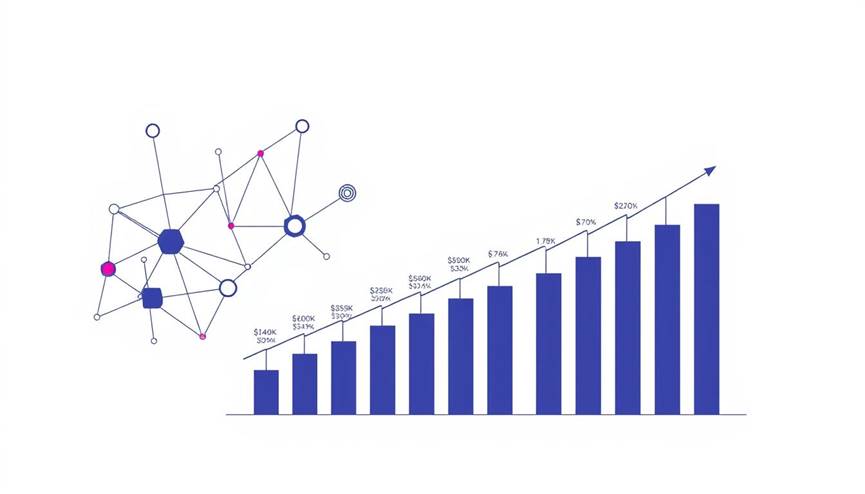
Different Affiliate Payment Models
Affiliate marketing encompasses several payment models, including Pay-per-sale (PPS), Pay-per-lead (PPL), and Pay-per-click (PPC). Each model has its advantages and is suited to different marketing strategies.
PPS is one of the most common models, where affiliates earn a commission for each sale generated through their unique referral link. PPL, on the other hand, rewards affiliates for generating leads, which can be beneficial for businesses looking to expand their customer database.
Maximizing Earnings Through Strategic Promotion
To maximize earnings, affiliates must employ strategic promotional techniques. This includes creating high-quality content that resonates with their audience, leveraging social media platforms, and utilizing SEO strategies to increase visibility.
Affiliates should also analyze their performance data to understand what works best for their audience and adjust their strategies accordingly. By doing so, they can optimize their campaigns for better results and increased earnings.
Technology Enhancing Affiliate Marketing Success
Technological innovations are playing a crucial role in enhancing the success of affiliate marketing campaigns. By leveraging advanced technologies, marketers can optimize their strategies, improve tracking accuracy, and automate routine tasks.
Advanced Tracking and Attribution Systems
Affiliate tracking is a critical component of any affiliate marketing program. Advanced tracking systems enable marketers to accurately attribute sales and conversions to the correct affiliates, ensuring fair compensation and providing valuable insights into campaign performance. These systems often utilize sophisticated algorithms and machine learning techniques to handle complex attribution models.
Key Features of Advanced Tracking Systems:
- Accurate attribution modeling
- Real-time tracking and reporting
- Cross-device tracking capabilities
Automation Tools for Affiliate Campaigns
Automation tools are revolutionizing the way affiliate marketers manage their campaigns. By automating routine tasks such as email marketing, social media posting, and campaign optimization, marketers can focus on strategic decision-making and creative development. Automation also helps in scaling campaigns more efficiently and responding quickly to market changes.
The following table highlights some popular automation tools used in affiliate marketing:
| Tool | Functionality | Benefits |
| Mailchimp | Email marketing automation | Personalized email campaigns, improved engagement |
| Hootsuite | Social media management | Scheduled posting, analytics, team collaboration |
| Unbounce | Landing page optimization | Improved conversion rates, A/B testing |
By embracing these technological advancements, affiliate marketers can significantly enhance their campaign’s effectiveness and achieve greater success.
Overcoming Challenges in the Affiliate Landscape
The affiliate marketing landscape is fraught with challenges that require strategic navigation. Affiliates must be adept at handling various obstacles to achieve success.
Intense market competition is a significant challenge. To stand out, affiliates must employ innovative marketing strategies and build strong relationships with their audience.
Adapting to Program and Algorithm Changes
Affiliate programs and algorithms are constantly evolving. Staying ahead requires affiliates to be agile and adaptable, adjusting their strategies to comply with the latest changes.
Maintaining Ethical Standards and Compliance
As emphasized by industry experts, “Maintaining ethical standards is crucial for long-term success in affiliate marketing.” Affiliates must ensure transparency and comply with regulatory requirements to build trust with their audience.
By understanding these challenges and implementing effective strategies, affiliates can overcome the hurdles in the affiliate landscape and achieve their goals.
Conclusion: Harnessing the Power of Affiliate Partnerships
Affiliate marketing has emerged as a powerful strategy for businesses to expand their reach and for individuals to generate revenue. By leveraging affiliate partnerships, companies can tap into new audiences, driving sales and enhancing brand visibility.
The benefits of affiliate marketing are multifaceted, offering a pay-for-performance cost structure that aligns with business objectives. For affiliates, it provides opportunities for passive income generation, professional growth, and lifestyle flexibility.
As the digital landscape continues to evolve, the potential of affiliate partnerships is expected to grow. With advanced tracking and attribution systems, automation tools, and a focus on ethical standards, businesses and affiliates can navigate the affiliate landscape effectively.
By understanding the dynamics of affiliate marketing and harnessing the power of affiliate partnerships, both businesses and individuals can achieve their goals in the ever-changing digital world.
FAQ
What is affiliate marketing?
Affiliate marketing is a form of online marketing that involves promoting products or services from another company and earning commissions on sales or referrals.
How do affiliates get paid?
Affiliates get paid through various commission structures, including pay-per-sale, pay-per-lead, and pay-per-click, depending on the affiliate program they are part of.
What are the benefits of affiliate marketing for businesses?
Affiliate marketing offers businesses a pay-for-performance cost structure, extended market reach, and enhanced brand visibility, making it a cost-effective way to drive sales and revenue.
How can I become a successful affiliate marketer?
To become a successful affiliate marketer, you need to choose a profitable niche, create high-quality content, and build a loyal audience, while also staying up-to-date with the latest affiliate marketing strategies and trends.
What are some common challenges in affiliate marketing?
Common challenges in affiliate marketing include navigating market competition, adapting to program and algorithm changes, and maintaining ethical standards and compliance, which can be overcome with the right strategies and knowledge.
How does technology enhance affiliate marketing success?
Technology enhances affiliate marketing success through advanced tracking and attribution systems, automation tools for affiliate campaigns, and other innovative solutions that help optimize affiliate marketing efforts.
What are the lifestyle benefits of being an affiliate marketer?
Being an affiliate marketer offers lifestyle benefits such as location independence, flexibility, and low initial investment requirements, making it an attractive career option for those seeking autonomy and work-life balance.
How can I maximize my earnings as an affiliate marketer?
To maximize earnings as an affiliate marketer, you need to choose the right affiliate programs, create effective promotional content, and leverage multiple revenue streams, while also staying focused on your target audience and their needs.
